
Indicator Gauge Icon Legend
Legend Colors
Red is bad, green is good, blue is not statistically different/neutral.
Compared to Distribution
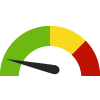 the value is in the best half of communities.
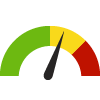 the value is in the 2nd worst quarter of communities.
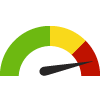 the value is in the worst quarter of communities.
Compared to Target
 meets target;
  does not meet target.
Compared to a Single Value
 lower than the comparison value;
 higher than the comparison value;
 not statistically different from comparison value.
Trend

 non-significant change over time;
 significant change over time;
  no change over time.
Compared to Prior Value
 higher than the previous measurement period;
 lower than the previous measurement period;
 no statistically different change from previous measurement period.
 Significantly better than the overall value
 Significantly worse than the overall value
 No significant difference with the overall value
 No data on significance available
High Blood Pressure Prevalence
Measurement Period: 2022
This indicator is archived and is no longer being updated. Click to learn more
This indicator shows the percentage of adults who have been told they have high blood pressure. Normal blood pressure should be less than 120/80 mm Hg for an adult. Blood pressure above this level (140/90 mm Hg or higher) is considered high (hypertension).
Why is this important?
High blood pressure is the number one modifiable risk factor for stroke. In addition to stroke, high blood pressure also contributes to heart attacks, heart failure, kidney failure, and atherosclerosis. The higher your blood pressure, the greater your risk of heart attack, heart failure, stroke, and kidney disease. In the United States, one in three adults has high blood pressure, and nearly one-third of these people are not aware that they have it. Because there are no symptoms associated with high blood pressure, it is often called the "silent killer." The only way to tell if you have high blood pressure is to have your blood pressure checked. High blood pressure can occur in people of any age or sex; however, it is more common among those over age 35. It is particularly prevalent in African Americans, older adults, obese people, heavy drinkers, and women taking birth control pills. Blood pressure can be controlled through lifestyle changes, including eating a heart-healthy diet, limiting alcohol, avoiding tobacco, controlling your weight, and staying physically active.
The Healthy People 2030 national health target is to reduce the proportion of adults with high blood pressure to 41.9 percent.
46.5%
Source:
California Health Interview Survey
Measurement period: 2022
Maintained by: Conduent Healthy Communities Institute
Last update: January 2024
Measurement period: 2022
Maintained by: Conduent Healthy Communities Institute
Last update: January 2024
Compared to
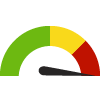


Graph Selections
No significant difference with the overall value


Data Source
- California Health Interview Survey
Note: This source uses Zip Code Tabulation Areas (ZCTAs) for its Zip Code data. Learn more
Maintained By: Conduent Healthy Communities Institute (Methodology)
Filed under: Health / Heart Disease & Stroke, Health / Wellness & Lifestyle, Health Status, Adults